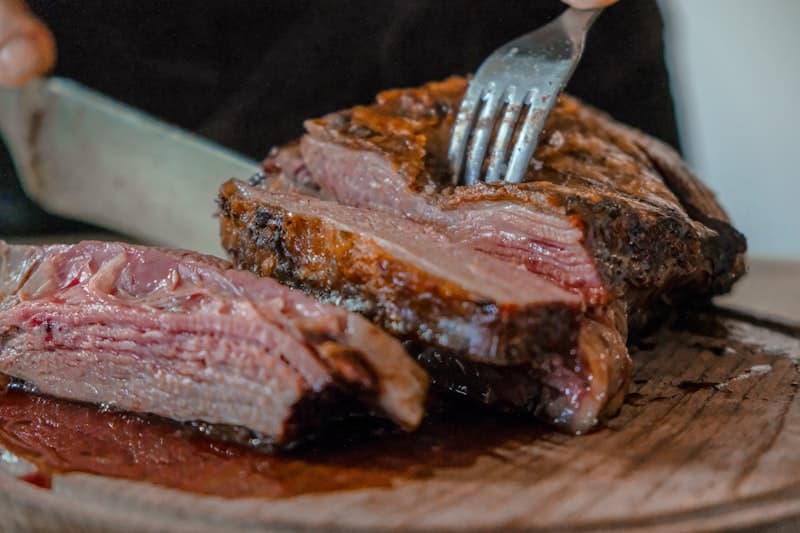
Freeze Dried Meat: Production Guide for Snacks, Pet Food & Emergency Supplies
How to freeze dry beef, chicken, fish, and game — for human consumption, pet food, and long-term storage.
In This Article
Why Freeze Dried Meat?
Meat is one of the highest-value products you can freeze dry. Whether it’s premium beef for camping meals, raw chicken for pet food, or game meat for specialty snacks — the margin per kilogram is consistently strong. The raw material is protein-dense, commands premium pricing in freeze dried form, and serves multiple markets simultaneously.
The key advantage of freeze dried meat over other preservation methods (canning, dehydrating, smoking) is quality. Freeze dried meat rehydrates to something remarkably close to freshly cooked meat — the texture, the flavour, even the appearance. Dehydrated meat is tough and chewy. Canned meat is mushy and overcooked. Freeze dried meat is neither: it’s light and crispy when dry, and tender and flavourful when rehydrated.
Two major markets, one machine: The same freeze dryer can produce cooked freeze dried meat for human consumption (camping meals, emergency food, snacks) and raw freeze dried meat for pet food. Many producers run both product lines, maximising machine utilisation and diversifying revenue streams.
Meat Types & Their Characteristics
| Meat | Fat Content | Cycle Time | Best Applications |
|---|---|---|---|
| Chicken breast | Low | 22–28 hrs | Ready meals, camping, snacks, pet treats |
| Lean beef | Low–Medium | 24–30 hrs | Jerky-style snacks, meal components, emergency food |
| Ground beef | Medium | 20–26 hrs | Meal ingredients, taco/pasta mixes, pet food |
| Turkey | Low | 22–28 hrs | Healthy snacks, pet treats, meal kits |
| Shrimp | Very Low | 18–24 hrs | Ramen toppings, meal mixes, premium snacks |
| Salmon | Medium–High | 22–28 hrs | Pet treats (omega-3), premium snacks, meal kits |
| Organ meats | Low | 20–26 hrs | Premium pet food, nutrient-dense supplements |
| Venison / Game | Very Low | 24–30 hrs | Novel protein pet food, premium snacks, jerky |
Fat does not freeze dry — it has no water to remove. High-fat meats like bacon, marbled steaks, or duck skin will freeze dry, but the fat remains, which limits shelf life (fat oxidises over time) and creates a greasier texture. For the longest shelf life and best results, choose lean cuts or trim visible fat before processing.
Cooked vs. Raw: Two Production Paths
Cooked Meat (Human Food)
For human consumption, meat should be fully cooked to safe internal temperatures before freeze drying. This kills pathogens and meets food safety regulations. Cooked freeze dried meat rehydrates quickly and is ready to eat with just hot water.
Applications: Camping meals, emergency food, military rations, instant soup ingredients, meal kits, high-protein snacks.
Shelf life: 15–25 years when properly packaged.
Raw Meat (Pet Food)
For pet food, raw meat is the premium product. Dogs and cats have digestive systems built for raw protein, and the raw-feeding movement is driving massive demand for convenient raw options. Freeze drying raw meat preserves the raw nutritional profile without requiring refrigeration.
Applications: Raw dog food, raw cat food, single-ingredient treats, training rewards, food toppers.
Shelf life: 1–2 years recommended (safe much longer).
Production Process
Cooking: Cook meat to safe internal temperatures (74°C for poultry, 71°C for ground meat, 63°C for whole cuts of beef/pork with a 3-minute rest). Season if desired — seasoning freeze dries well and stays with the meat. Dice into uniform 10–15mm cubes for even drying and easy portioning.
Draining: After cooking, drain excess fat and liquid thoroughly. Blot with paper towels. Any fat or liquid left on the surface will extend cycle times and reduce shelf life.
Loading: Spread in a single layer on trays. Pieces should not touch or overlap. Leave small gaps for airflow.
Cycle: Run at standard settings. Cooked meat typically takes 22–30 hours depending on piece size, fat content, and moisture level. The meat is done when it’s completely dry, light, and crispy — it should snap, not bend.
For Raw Meat (Pet Food)
Sourcing: Use fresh, high-quality raw meat. Organ meats (liver, heart, kidney) are particularly prized in the raw pet food market for their nutrient density. Fish carcasses from fishmongers are an excellent, low-cost protein source.
Preparation: Cut into pieces appropriate for the target pet size. For dog food, 15–20mm cubes work well. For cat food and small treats, 8–10mm. For single-ingredient treats, you can cut into strips or medallions.
Loading and cycle: Same principles as cooked meat — single layer, uniform size, adequate spacing. Raw meat has higher moisture content than cooked, so cycles tend to run slightly longer.
If you produce both human and pet food, run dedicated batches for each — never mix raw and cooked meat in the same cycle. Many producers dedicate specific days to pet food production and others to human food, maintaining clear separation for food safety compliance.
Food Safety Essentials
Meat demands a higher standard of food safety awareness than fruits or vegetables. For commercial production, you need proper HACCP documentation, temperature monitoring at every stage, and clear separation between raw and cooked processes.
The freeze drying process itself does not kill bacteria — it preserves whatever is in the meat, including any pathogens present. This is why cooking before freeze drying is essential for human food products. For pet food, the standard in the industry is to work with fresh, properly handled raw materials and rely on the low moisture content (below 3%) to prevent bacterial growth during storage.
Packaging is your final safety barrier. Moisture-barrier bags with oxygen absorbers protect against both rehydration (which could allow bacterial growth) and oxidation (which degrades fat and flavour). Vacuum sealing or nitrogen flushing adds an additional layer of protection for premium products.
Market Channels
Premium Pet Food
The fastest-growing channel. Raw freeze dried dog and cat food is the premium tier of pet nutrition. Single-ingredient treats (pure liver, pure chicken, pure fish) sell at extraordinary margins per gram.
Outdoor & Camping
Freeze dried meat as protein for backpacking meals. Lightweight, no refrigeration, rehydrates with hot water. Sold standalone or as part of complete meal pouches.
Emergency Preparedness
Long-term food storage kits need protein. Freeze dried meat with 15–25 year shelf life is the gold standard for prepper food supplies. Recession-resistant, growing market.
High-Protein Snacks
Freeze dried meat bites as a gym/fitness snack. Crunchy, high-protein, zero-carb. Positioned alongside jerky but lighter, crunchier, and with a unique texture that stands out.
Process Meat at Scale
WAVE freeze dryers handle everything from single-ingredient pet treats to high-volume meat production — custom-built in Vienna.
Explore Our MachinesFrequently Asked Questions
Can you freeze dry raw meat?
Yes. Raw meat freeze dries very well and is standard for premium raw pet food. For human consumption, cook meat fully before freeze drying due to food safety requirements.
How long does freeze dried meat last?
Cooked freeze dried meat lasts 15–25 years when properly packaged. Raw freeze dried meat for pets has a recommended shelf life of 1–2 years for optimal freshness, though it remains safe much longer.
Is freeze dried meat safe?
When produced correctly, yes. For human food, always cook meat to safe temperatures before freeze drying. The low moisture content (below 3%) prevents bacterial growth during storage. For pet food, fresh raw materials and proper handling ensure safety.